

















Dosage & Method of Application
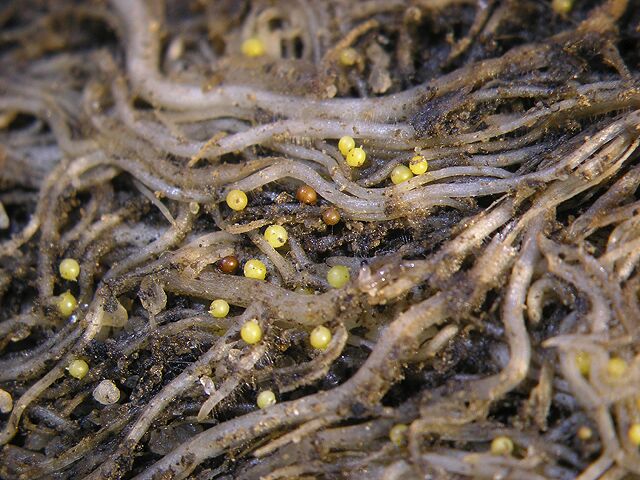
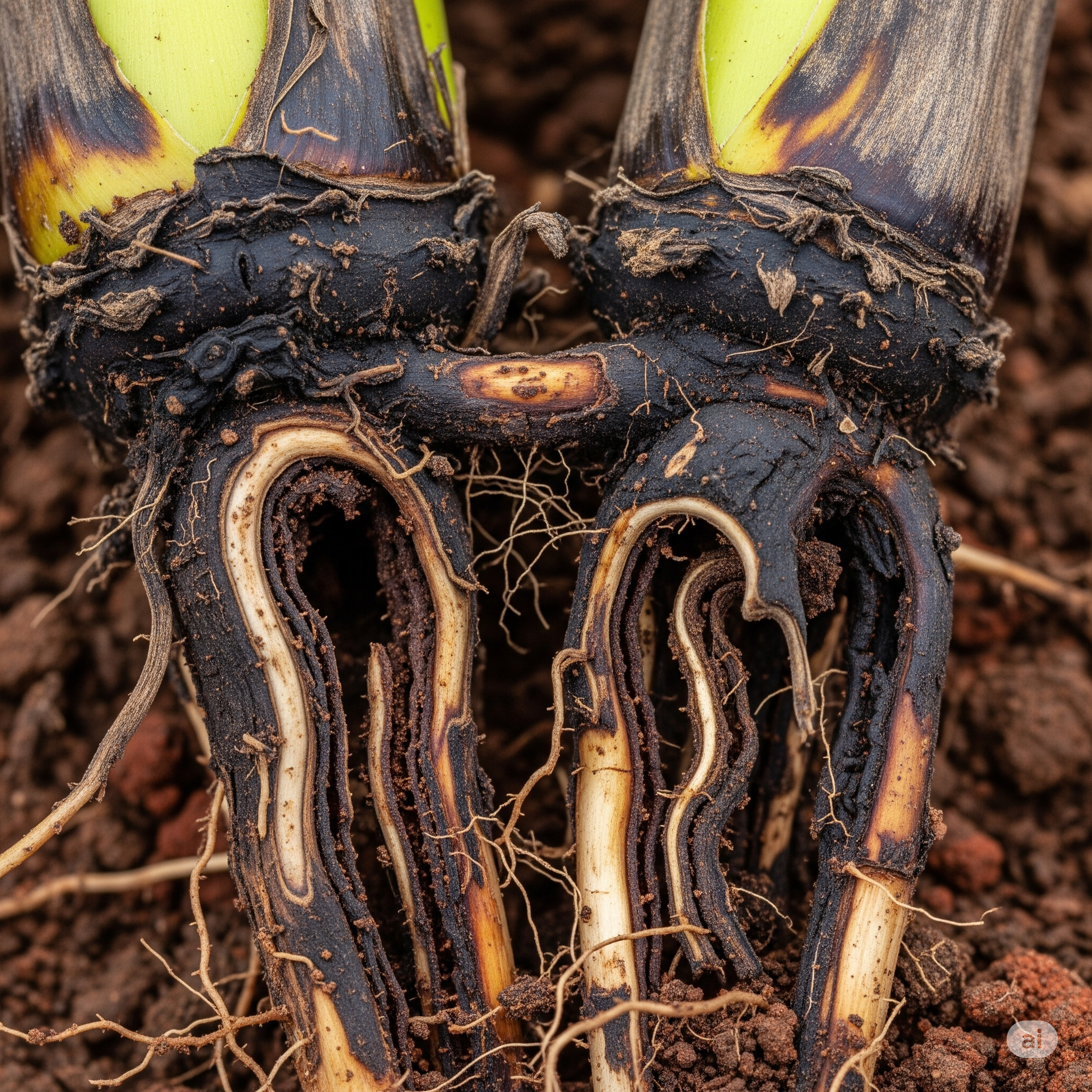
AGSO Bio Nematicide is designed for preventive and curative nematode management by targeting eggs, juveniles, and adult females of plant-parasitic nematodes. For best results, application should be synchronized with crop growth stages and nematode activity.
 Field Preparation (Soil Application): Mix 2Kg of AGSO Bio Nematicide with 200 L of water and Broadcast evenly across the field before final land preparation, Once per crop cycle. Early application gives better control of nematode eggs and juveniles.
 Seed Treatment (Preventive Use) : Mix 1Kg of AGSO Bio Nematicide with seeds required for 1 Acre (Approx25-40 Kg). Allow seeds to dry in shade before Sowing, This Provides early protection against soil pests.
 Seedling Root Dip / Nursery Treatment : Mix 10 gm of AGSO Bio Nematicide with 1L of water. Dip the seedling for 10-20 minutes before transplanting.
 Soil Application (Supplementary Method) : Soil Application: Mix 2Kg of AGSO Bio Nematicide with 100 Kg compost or organic manure, broadcast or apply near the root zone.
 Drip Irrigation / Drenching : Mix 2Kg of AGSO Bio Nematicide with 200L of water. Drip irrigation 1 acre of land.
 Greenhouse Application: Mix 2Kg of AGSO Bio Nematicide with 100 Kg compost or organic manure, broadcast or apply near the root zone.
 Gardeners and small scale farmers : 10 Gm of AGSO Bio Nematicide with 1L of water. Hand sprayer / watering can apply weekly during growing season for prevention.
Application Tips for Maximum Effectiveness
 Timing: Apply early in the morning or late afternoon when temperatures are moderate.
 Weather Conditions: Avoid application during hot, dry conditions or when rain is expected within 4-6 hours.
 Early Intervention: Begin applications at the first sign of pest presence for preventative control.
 Repeat Applications: For heavy infestations, make 2-3 consecutive applications at 35 to 40 days intervals.



















Reviews
There are no reviews yet.